


By Dr. Alexandros Kelmalis, CEO World Star Shipping / World star yachting
As the global shipping industry gathers at Posidonia, shipowners are no longer operating in a purely market-driven environment. The assumption that trade flows will remain stable and that efficiency alone drives profitability has been fundamentally challenged. Geopolitical instability—particularly across the Middle East—has reintroduced risk as a primary pricing factor in global shipping.
The Red Sea, the Persian Gulf, and surrounding corridors are not just regional zones of tension; they are core arteries of global trade. A significant percentage of energy flows and containerized cargo passes through these routes. Any disruption immediately translates into longer voyages, higher insurance costs, and operational uncertainty. For shipowners, this is not a distant macro issue—it is embedded in daily commercial decisions.
Freight Markets: From Cycles to Events
Freight markets have historically been cyclical, driven by supply and demand imbalances. That logic still applies, but it is increasingly overshadowed by event-driven volatility. Security incidents, political escalations, and military activity now have immediate pricing impact. Rerouting vessels away from high-risk areas such as the Red Sea and avoiding the Suez Canal has increased ton-mile demand significantly. Voyages between Asia and Europe become longer, effectively tightening fleet supply. This supports freight rates across tankers, containers, and, to a lesser extent, dry bulk. However, this is not a stable uplift. Earnings are now tied to instability itself. A de-escalation could normalize routes and quickly reduce rates, while further escalation could amplify them. This creates a market environment where timing and positioning are more important than long-term assumptions.
Risk Pricing and Cost Transfer
War risk premiums, insurance costs, and security-related expenses have returned as major cost components. The commercial focus has shifted to how these costs are allocated between owners and charterers. Owners with strong leverage—typically those operating in tight spot markets—are able to pass these costs on. Charterparty clauses are being renegotiated, and flexibility around routing is increasingly demanded. In contrast, owners locked into long-term contracts face compressed margins, as their ability to reprice risk is limited. This divergence is creating a two-speed market. Flexible operators are capturing upside, while more rigid structures are exposed to downside risk without compensation.
Tankers: Profitability with Constraints
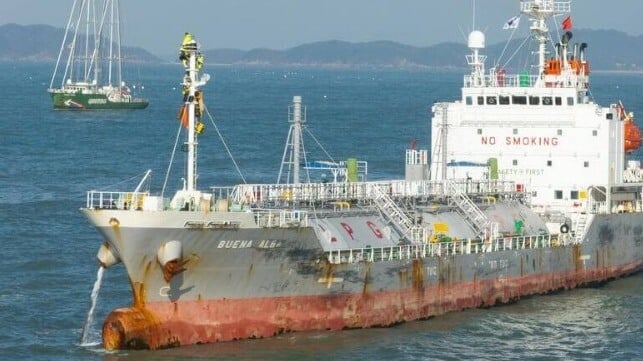
The tanker sector is at the center of geopolitical disruption. Energy flows from the Middle East remain critical, and any disturbance affects global pricing and trade patterns. Longer routes and sanctions-related inefficiencies have increased demand for tanker capacity. This has resulted in strong earnings, particularly in crude and product tankers. Older vessels are remaining active longer, and arbitrage opportunities are emerging. However, these opportunities come with constraints. Exposure to sanctioned trades, regulatory compliance risks, and physical security threats must be actively managed. The margin for error is limited. While returns can be high, a compliance failure or security incident can have disproportionate financial and reputational consequences.
Containers and Dry Bulk: System Inefficiency
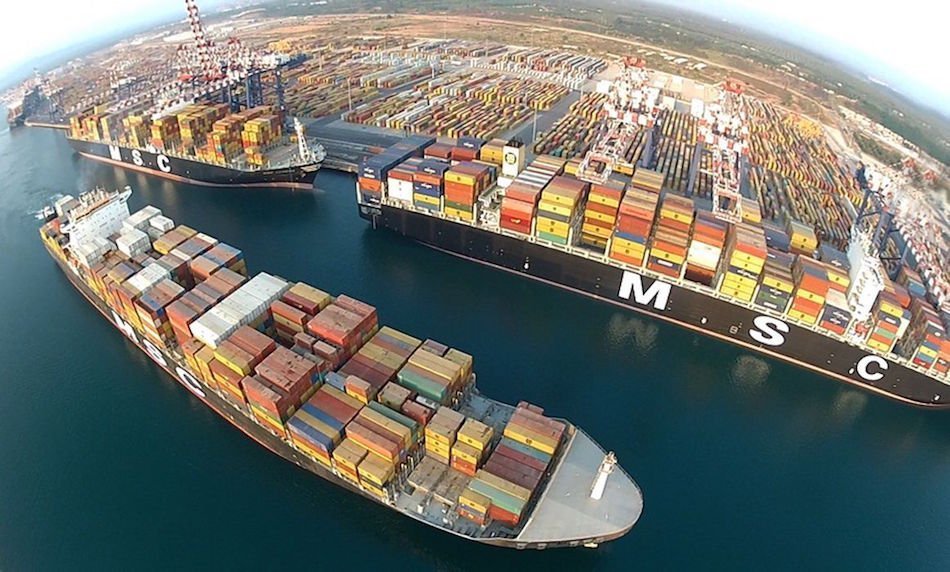
Container shipping and dry bulk are less directly exposed but still affected through system-wide inefficiencies. Longer routes reduce effective capacity, disrupt schedules, and increase fuel consumption. In container markets, this can support charter rates and freight levels, but it also creates reliability issues that affect long-term contracts. In dry bulk, the impact is more indirect, often linked to energy and commodity trade shifts. The key point is that inefficiency, not demand destruction, is driving change.
Crew and Operational Exposure
Crew risk is becoming a material operational factor. Seafarers operating in high-risk zones face real threats, and this is beginning to influence labor dynamics. Higher wage expectations, reluctance to enter certain areas, and increased insurance liabilities are emerging trends. For shipowners, this translates into both direct and indirect costs. Operational planning must now include crew-related constraints, not just technical and commercial considerations.
Strategic Shift: Optionality as a Core Asset
The traditional model of maximizing efficiency is being replaced by a need for flexibility. Shipowners are increasingly prioritizing optionality—across routes, employment strategies, and counterparties. A balanced exposure between spot and period markets allows owners to capture upside while maintaining some revenue stability. The ability to reposition vessels quickly and avoid high-risk areas without significant disruption is becoming a defining competitive advantage. Scale alone is no longer sufficient. Large fleets without flexibility may underperform smaller but more agile operators.
Asset Values and Capital Discipline
Strong earnings have supported vessel values, but this support is conditional. Financing conditions are becoming more selective, particularly for owners with exposure to high-risk or opaque trades. There is a growing distinction between assets that are compliant, transparent, and aligned with regulatory expectations, and those operating in gray areas. This distinction affects both asset liquidity and access to capital. Shipowners must therefore approach capital allocation with greater discipline. Short-term earnings should not come at the expense of long-term financing viability.
Decarbonization Under Pressure
Environmental regulation remains a parallel pressure. Despite geopolitical instability, emissions targets and regulatory frameworks continue to evolve. This creates a complex investment landscape. Shipowners must decide whether to allocate capital toward new technologies and alternative fuels or preserve liquidity to navigate short-term volatility. Both approaches carry risk, and neither offers a guaranteed outcome.
Conclusion: Repricing Risk
Global shipping is not declining, but it is being repriced. Risk is no longer an external variable—it is embedded in freight rates, asset values, and operational decisions. For shipowners, the environment offers both opportunity and exposure. Higher earnings are achievable, but they are directly linked to higher volatility and greater complexity. The defining factor will be the ability to manage this balance. Owners who understand that geopolitical risk is now a core business variable—and act accordingly—will outperform. Those who continue to operate under outdated assumptions of stability will find their margins increasingly exposed.