

Greece and Malta share a relationship that has been shaped, to a great extent, by the sea and by a common maritime tradition. For generations, shipping has been an essential part of our economies, our international outlook and our connection with the wider world.
Today, this shared maritime heritage provides an excellent foundation upon which to further strengthen the relationship between our two countries.
Shipping is not simply an economic activity for either Greece or Malta. It is a strategic sector, an essential component of international trade and a major contributor to employment, investment and economic growth. It also connects countries, markets and people, providing the infrastructure upon which global commerce depends.
Greece's position as one of the world's leading shipping nations is well established. Greek-owned shipping has a truly global presence, operating across virtually every major sector and connecting the world's principal trading economies.
Malta, meanwhile, has developed into a major international maritime centre, with a strong shipping registry and a broad range of maritime services and expertise.
These strengths are different, but highly complementary.
They create significant opportunities for cooperation between our two countries and, importantly, between our maritime communities.
The shipping industry is currently experiencing a period of profound transformation. Decarbonisation, alternative fuels, digitalisation, artificial intelligence, cybersecurity, technological innovation, geopolitical developments and the increasing complexity of international regulation are fundamentally changing the operating environment for shipping.
These developments require a coordinated response.
For countries with such a strong maritime interest as Greece and Malta, it is particularly important that the voice of the industry is heard clearly in the development of policies that will shape the future of shipping.
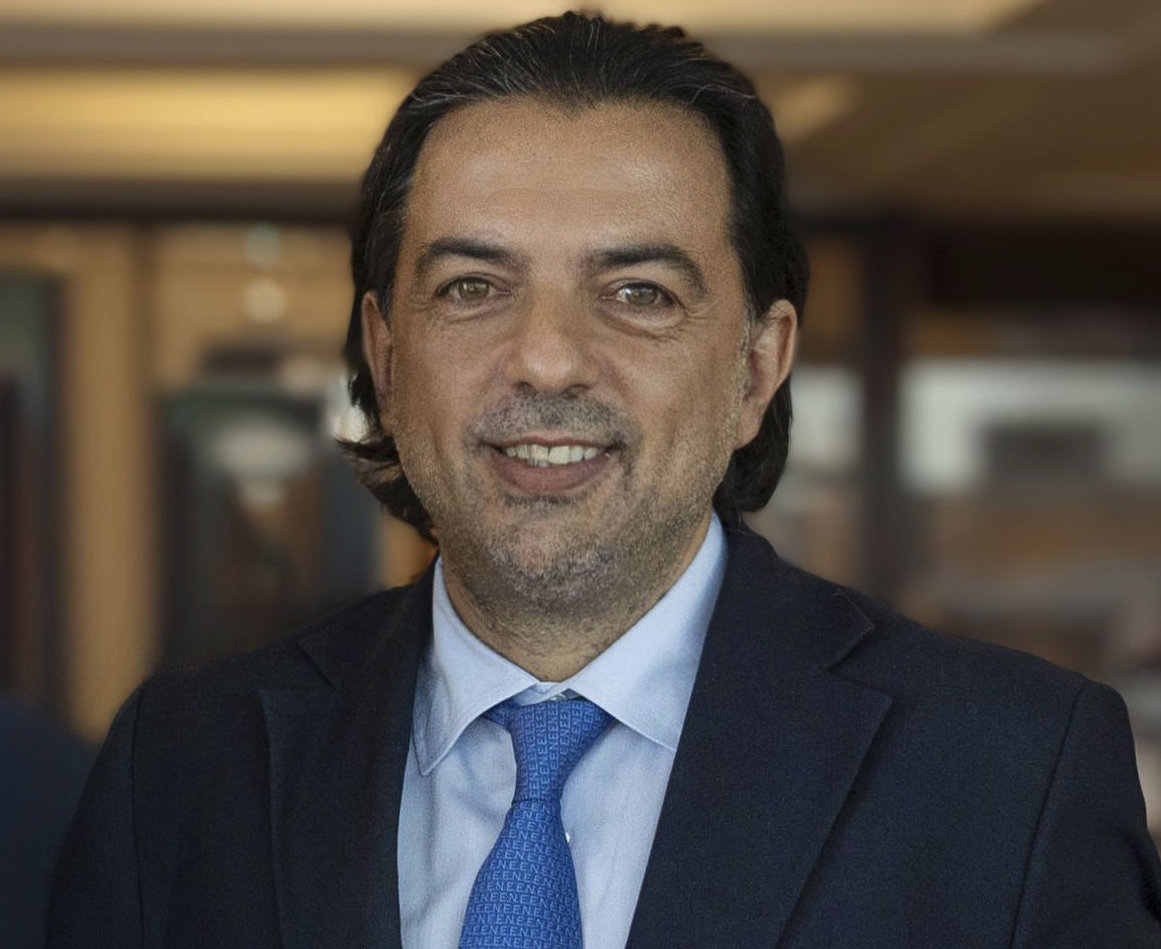
As President of the Hellenic Chamber of Shipping, I firmly believe that the dialogue between the maritime industry and policymakers must remain continuous, constructive and grounded in operational reality.
The shipping industry is committed to the transition towards a more sustainable future. At the same time, this transition must be achievable in practice. The technologies, fuels and infrastructure required for the next generation of shipping must be available, scalable and economically viable.
The objective should be clear: to achieve meaningful environmental progress while safeguarding the competitiveness of European shipping in a global market.
This is an area where Greece and Malta can work closely together.
Both countries have a strong interest in ensuring that European maritime policy is ambitious, but also realistic, proportionate and consistent with the international regulatory framework.
Shipping is, by definition, international. Ships operate across jurisdictions, serve global markets and compete internationally. For this reason, the development of global standards remains fundamental.
At the same time, European policies must take into account the particular characteristics of shipping and avoid creating unnecessary regulatory fragmentation or competitive disadvantages for European operators.
A strong and constructive cooperation between Greece and Malta can contribute to this objective.
Our two countries have much in common beyond our maritime traditions. We are both members of the European Union, both have a strong interest in the future of European shipping, and both recognise the importance of maintaining an open, competitive and well-connected maritime economy.
This common perspective gives our cooperation a particularly important institutional dimension.
The Malta Maritime Summit is an excellent example of how the maritime community can bring together different perspectives and create meaningful international dialogue.
Since its establishment, the Summit has evolved alongside the shipping industry itself. Its programme has progressively expanded to reflect the changing priorities of the sector, bringing together shipowners, governments, regulators, maritime administrations, financiers, insurers, lawyers, academics, technology specialists and other industry leaders.
This broad participation is one of the Summit's greatest strengths.
The future of shipping cannot be addressed by one part of the industry alone. The challenges ahead require cooperation between policymakers and the private sector, between established maritime centres and emerging technologies, and between different national and international institutions.
For Greece and Malta, there is considerable scope to strengthen this cooperation further.
We can promote closer institutional dialogue, exchange expertise and best practices, encourage cooperation in maritime education and training, support innovation and digitalisation, and explore new opportunities in maritime services and technology.
One of the most important priorities for the future should be our people.
The shipping industry of tomorrow will require new skills and new expertise. We must ensure that young people continue to see maritime careers as attractive, dynamic and internationally oriented opportunities.
Both Greece and Malta possess strong maritime communities and valuable experience in this field. Greater cooperation in education, training and professional development can help ensure that the next generation is properly prepared for the challenges and opportunities ahead.
There is also an important role for the maritime institutions and organisations of our two countries.
The Hellenic Chamber of Shipping attaches particular importance to maintaining and strengthening relationships with international maritime organisations and institutions. Constructive dialogue between our respective maritime communities can help identify common interests and develop practical approaches to issues affecting the industry.
I believe that this institutional cooperation should continue to grow.
The relationship between Greece and Malta is not based solely on our shared history. It is a relationship with a clear future.
We are operating in an era in which shipping is being asked to adapt more rapidly than ever before. The transition towards cleaner technologies, the digital transformation of maritime operations and the changing geopolitical environment will require investment, innovation and cooperation.
No maritime nation can address these challenges entirely on its own.
This is why partnerships between countries such as Greece and Malta are so valuable.
By working together, we can contribute to a stronger European maritime sector — one that remains competitive internationally, embraces innovation, supports sustainability and continues to play its essential role in global trade.
For me, as President of the Hellenic Chamber of Shipping, the strengthening of Greece–Malta maritime relations is a matter of particular importance.
Our two countries have developed strong maritime identities through generations of experience. We understand the opportunities that shipping creates, but also the responsibilities that come with it.
We therefore have a natural basis for dialogue and cooperation.
The Malta Maritime Summit provides an important opportunity to reinforce that dialogue and to look beyond the challenges of the present towards the opportunities of the future.
The relationship between Greece and Malta demonstrates what can be achieved when maritime nations share experience, maintain an open dialogue and work towards common objectives.
Our maritime heritage is strong.
Our interests are closely connected.
And our shared commitment to the future of shipping provides a solid foundation for an even stronger partnership.
As we look ahead, I am confident that Greece and Malta can continue to make a constructive contribution to the future of European and international shipping — working together, listening to the industry and ensuring that the voice of maritime nations remains an important part of the global conversation.
The future of shipping will require vision, cooperation and determination.
Greece and Malta are well placed to contribute to that future together.
By George Sp. Alexandratos
President of the Hellenic Chamber of Shipping