
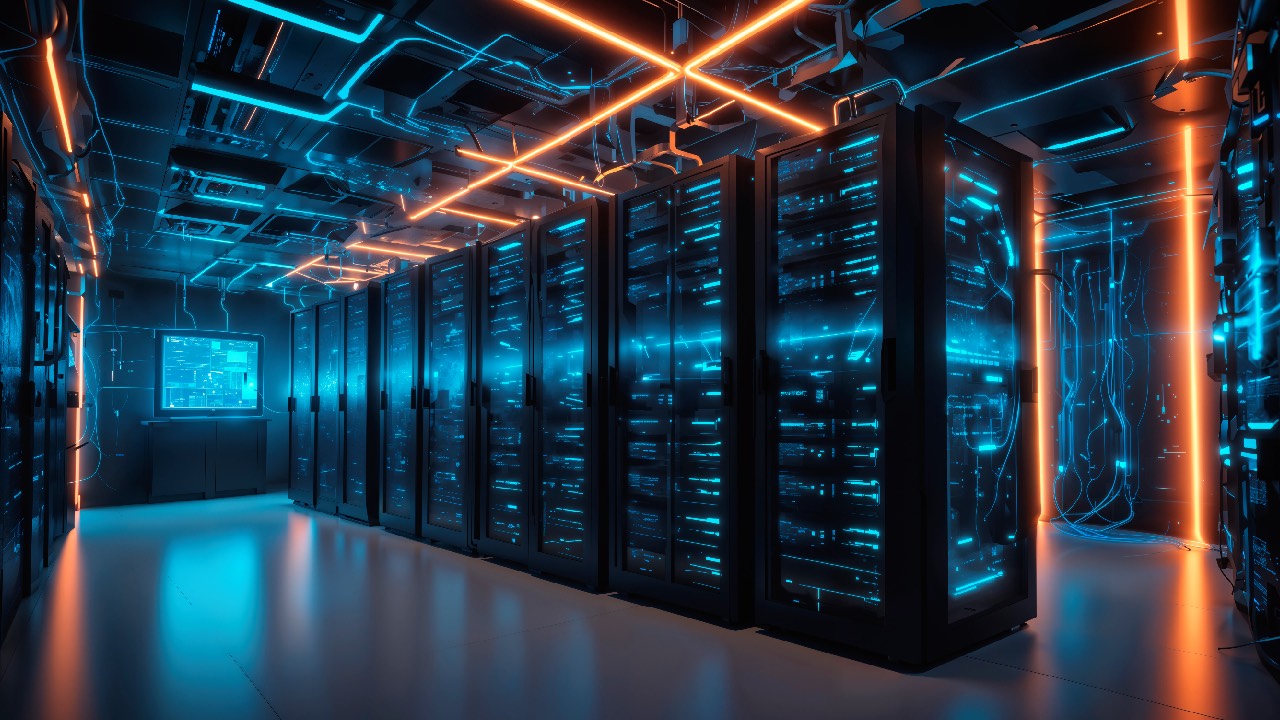
China is on course to nearly double its data center capacity within five years, with 28 gigawatts (GW) of new projects expected to come online by 2030, adding to the 32 GW already installed as of the end of last year, according to new analysis from Rystad Energy. Based on currently announced projects, with additional capacity likely to follow, this expansion is expected to lift data center power consumption to 289 terawatt-hours (TWh) by 2030. That is more than double levels seen last year and would account for around 2.3% of China’s total electricity demand. Data centers are also set to be the fastest-growing source of power demand in the country, with consumption rising at an annual rate of 19% between 2025 and 2030, driven by rapid growth in artificial intelligence (AI) and high-performance computing (HPC).
Installed capacity is projected to reach 40 GW by the end of this year, up from 32 GW at the end of 2025, reflecting the speed of buildout across the sector. AI and HPC facilities are playing a growing role, accounting for 39% of installed capacity this year and expected to rise to 48% by 2030. Unlike traditional data centers built for general-purpose computing, these facilities are significantly more energy-intensive, reshaping both the scale and geographic distribution of China’s digital infrastructure. The shift has been reinforced by the ‘East Data West Computing’ strategy launched in 2022, which established eight major computing hubs to ease pressure on land and energy in the east, with clusters emerging in regions such as Ulanqab in Inner Mongolia, where companies including 21Vianet, Huawei and ByteDance have secured around 10 GW of projects.
China’s data center sector is no longer a peripheral part of the country’s power system. It is becoming a structural driver of demand in its own right. What sets this buildout apart is the speed of the AI-driven shift, which is compressing timelines for both infrastructure deployment and energy procurement. Operators are not waiting for policy incentives or mandates to integrate renewables. They are increasingly combining different power sources, such as wind, solar and battery storage because reliable electricity and lower-carbon supply have become business priorities. This is most visible in western computing hubs, where abundant renewable resources can support growing AI demand,