


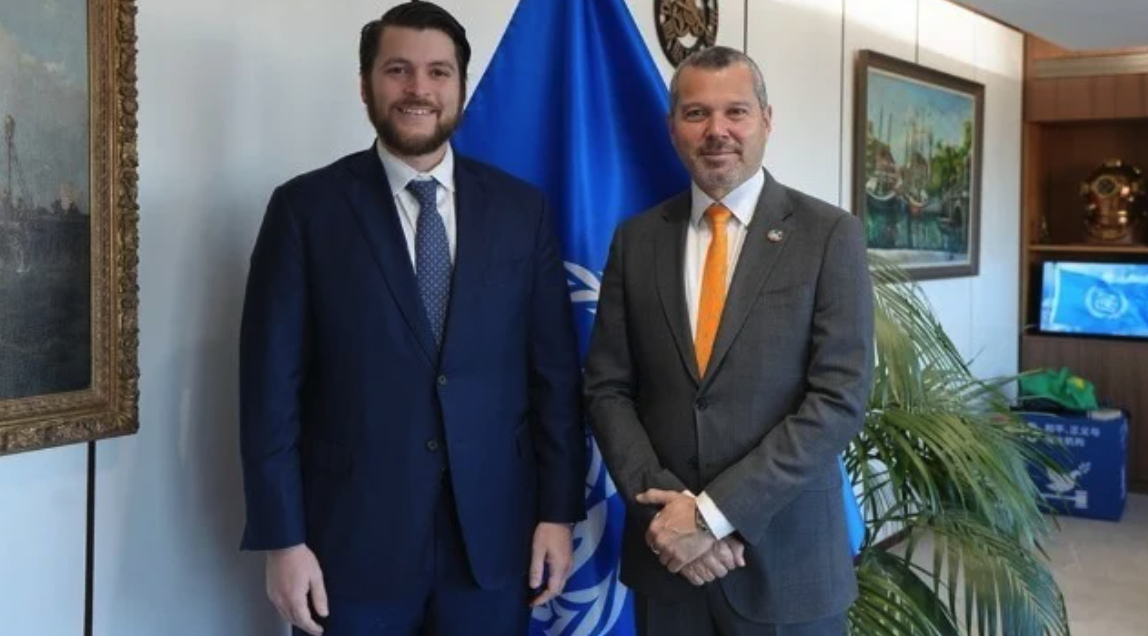
Liberia, supported by co-sponsors Argentina and Panama, is to present a new emissions proposal to the IMO Marine Environmental Protection Committee for consideration at the MEPC’s forthcoming 84th Session.
When the previous Net Zero Framework was presented last year, it heavily polarized IMO delegates and was met with stiff opposition, led by the United States. After one of the most contentious sessions in the IMO’s history, culminating in a vote on October 17 last year, the proposal failed to attract a decisive result, members voting instead for an adjournment to rework the framework for fresh presentation. The IMO takes pride in achieving broad-based consensus for the measures it proposes, knowing that unless this is achieved measures will lack moral force – necessary for effective implementation when international law lacks enforcement mechanisms.
The most obvious change in the Liberian draft is the removal of the proposed IMO fund into which fines for non-compliance were to be paid. This was seen by some member states as unnecessarily punitive, and weighted against smaller shipowners and tramp vessels. It was unclear how fines levied on “dirty” ships would be beneficially spent, and under whose oversight. In effect, it would have been a tax levied on shipping, but not directly on those who benefit from shipping services.
The Liberian proposal shifts away from a focus on penalties, and moves towards creating encouragements and incentives to speed adoption of improved, less polluting fuels. The proposal aligns targets to the availability of new fuels and take-up, and also aims to incentivize new methods of reducing emissions – not restricted to fuel types, but embracing well-to-wake emission reductions regardless of the energy source. It also supports emission-reducing technologies such as such as onboard carbon capture systems and wind?assisted propulsion, a key goal of shipowners’ associations. Targets would be set on a five-year cycle to reflect the availability of emission reduction fuels and technologies, but also to enable shipowners to plan changes to their fleet configurations in a cost-effective manner.
IMO delegates are anxiously waiting to see how United States representative Marco Sylvester, the US Deputy Assistant Secretary for Transportation Affairs, views the new proposals - and whether the new approach represents a basis on which negotiations and consensus-building can now be taken forward. While Sylvester appears to still be vehemently opposed, three previous opponents – Liberia, Argentina and Panama – are sponsoring the new proposal, and Saudi Arabia and other Gulf countries, which likewise had opposed the previous proposals, are now backing this pragmatic approach.
With a number of senior national representatives attending the MEPC session, discussion will inevitably extend to the situation in the Strait of Hormuz. The Traffic Separation Scheme in the Strait - which Iran is seeking to supersede by introducing controls and tolls - was adopted by the IMO with broad consensus approval in 1968. All nations who are signatories to the IMO’s Convention on Safety of Life and Sea are obliged to follow the 1968 Traffic Separation Scheme, and the convention has been signed by 164 nations, including the United States, Iran, Oman plus the remainder of the GCC countries. Singapore’s Foreign Minister Vivian Balakrishnan recently observed that even if states had not ratified the Convention on Safety of Life and Sea, freedom of transit passage was historically well-established and part of customary international law.
Source: maritime-executive.com