
Why human command matters more in the age of autonomous superyachts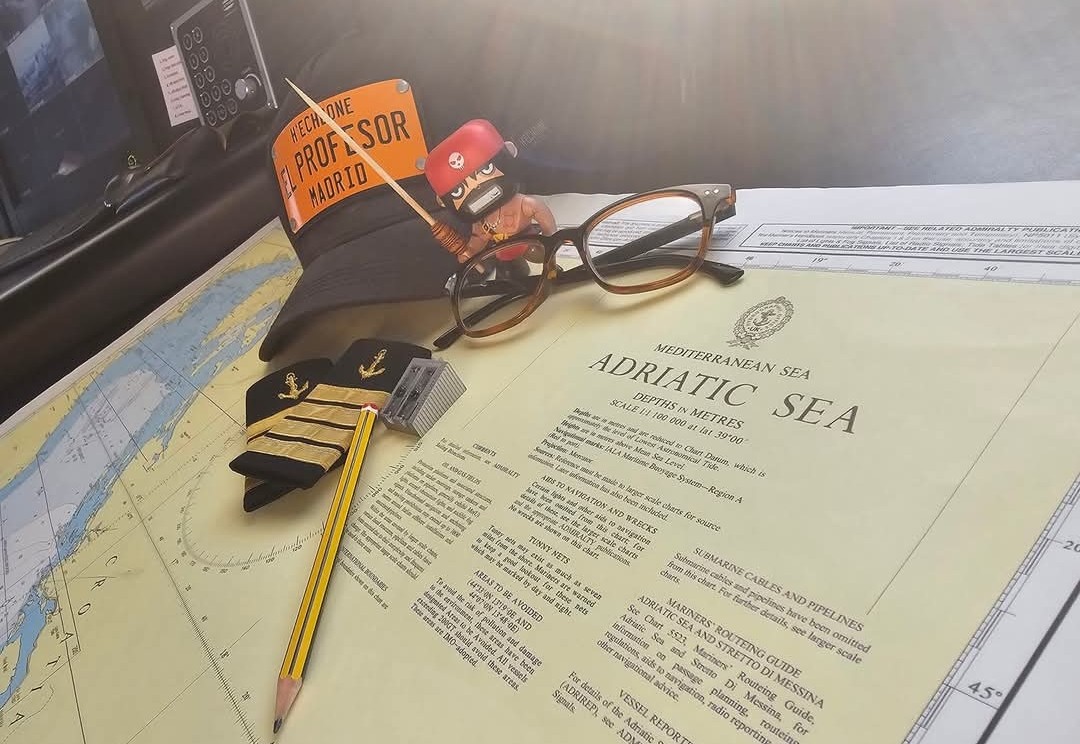
Artificial intelligence may soon plan passages, avoid collisions, predict failures and hold a yacht on its ideal track with tireless precision. That does not make it a captain. It forces a harder question: how much of command was navigation, and how much was always the management of uncertainty?
The captain's profession is unlikely to disappear, but many familiar tasks will. The bridge will require fewer manual actions, while unsolved problems will reach the human in a concentrated, unusual and dangerous form. Tomorrow's captain will handle the vessel less, yet must understand how automation shapes behaviour, evidence and choices.
Command Beyond the Helm
Public debate mistakes a profession for its visible action and asks whether an algorithm can perform it. On a mega yacht the helm is a tool; command is a structure of responsibility. The captain coordinates specialists, converts the owner's wishes into a safe plan, changes the programme and manages authorities, technicians, charterers and insurers. An accident, medical emergency, cyberattack or conflict between safety and a guest's request demands a nautical, legal, organisational and human decision.
The Autonomy Paradox
In May 2026, the International Maritime Organization adopted the first voluntary MASS Code, effective in July. The mandatory code is planned for adoption by 2030 and entry into force in 2032. Its key provision holds the master responsible at all times, even when not aboard. Autonomy may relocate the captain's workplace; it does not remove the role. The IMO reports that no commercial SOLAS cargo vessels on international voyages yet operate fully autonomously or solely by remote control, and expects conventional and autonomous ships to coexist for years.
Why Mega Yachts Are Different
An autonomous cargo ship can be built around a repeatable mission, known ports and a strict profile. A mega yacht works in reverse: its programme changes within hours; it operates near shore, in dense traffic and marinas where geometry, wind and human behaviour disrupt the plan; tenders, water toys, diving or a helicopter may operate simultaneously. Guests are there for leisure, not to accommodate the vessel. Cargo autonomy often seeks lower costs and less human exposure to danger. In yachting, people are part of the product. The owner buys discretion, trust, rapid adaptation and real authority on scene. A captainless yacht may arrive; assuming responsibility for the journey is harder.
The Irony of the Perfect Bridge
In 1983, psychologist Lisanne Bainbridge described the ironies of automation. As systems take over normal operations, people are left to monitor and handle rare exceptions. When intervention comes, they face the hardest problem without daily practice. Routine disappears, but vigilance, situational awareness and the feel of the ship can fade with it. The 2040 risk is a system so reliable that the crew stops questioning it. Training must cover inconsistent data, degrading sensors, recovery of manual control and the preservation of an accurate mental picture while automation handles everything.
What Machines Take and Humans Keep
Automation will first absorb repetitive, measurable work: passage planning, weather routing, fuel monitoring, technical trends, logs, reports and compliance administration. Systems will recommend collision avoidance manoeuvres and flag deviations before they become failures. Workload and error may fall, but bridge teams and intermediate roles may shrink. As simple decisions disappear, conflicts rise to the captain: speed or safety, schedule or weather, privacy or outside help, the owner's preference or the crew's limits. These choices require more than calculation. They require legitimate authority. Someone must be able to say no, explain why and accept the consequences.
The Captain in 2040
Transport 2040, by the World Maritime University and International Transport Workers' Federation, does not predict uniform job losses. It expects different effects by rank, specialty and country, with new roles and continuous retraining. A 2025 WMU Journal of Maritime Affairs study identifies hybrid skills: remote monitoring, AI supported decisions, cybersecurity and human machine cooperation, alongside situational awareness, problem solving, communication and leadership. The captain becomes commander of a complex sociotechnical system. Captains must understand algorithmic limits, judge data quality, manage cyber incidents, oversee alternative fuels and batteries, and rehearse failures of the entire digital chain of trust, not only a single machine.
Training Against Skill Decay
Maritime academies and yacht training centres cannot answer this challenge with one more technology course. Training must be rebuilt around the relationship between people and automation. Trainees should use the system's recommendation, test it against independent evidence and justify accepting or rejecting it. Simulators need quiet, credible failures, not dramatic breakdowns; the test is the wrong answer that looks reasonable. Traditional seamanship should support control recovery, sensor verification and operation in degraded modes, providing an independent picture when digital reality becomes doubtful. The strongest new captain will embrace technology and know when to stop trusting it.
The Market Needs Deeper Captains
In 2025, the European Maritime Safety Agency reported that available masters and officers in the European Union had fallen 12 percent since 2019. It cited an ageing workforce, difficulty attracting seafarers and the critical human role in autonomous ships and remote control centres. The market is moving not from excess to extinction, but towards a shortage of captains combining sea experience, technological judgement and managerial maturity. The real threat is another captain who uses algorithms better, understands cybersecurity, commands transparently and trains the crew for systems that disagree. Technology rarely erases a profession at once; it redistributes value within it.
Responsibility Cannot Be Remote
Captaincy may one day operate through screens, algorithmic advice and shore control centres. Its essence will remain: someone must combine what the system knows with what people understand and decide before uncertainty disappears, because time usually expires first. The mega yacht captain's future is not defending the helm. It is commanding a vessel that can act alone but cannot answer for itself. When the yacht learns to steer, the human will not become redundant. We will finally see what the captain's work has always been.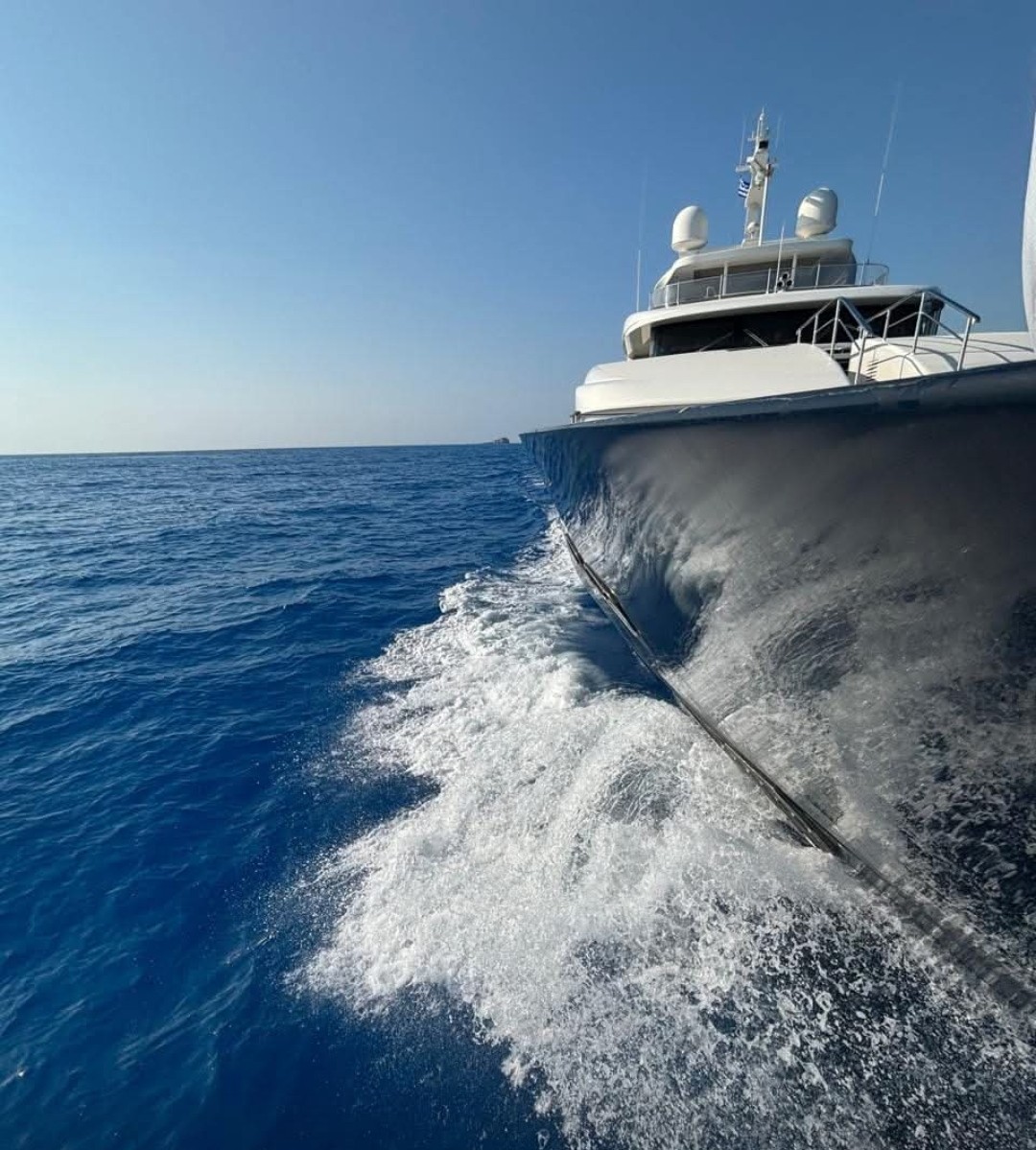
Georgios Parisis
-Master Mariner (Captain) MSc in Marine Engineering Management - University of Greenwich
-Author of Yachting Manifesto Yacht Manager & Crew Trainer
-Former Head of the Education Committee - Hellenic Yacht Crew Association (HYCA) --
-Scientific Advisor for Crew Education - HYCA
-Scientific Advisor for Maritime Spatial Planning & Port Development - ENPEN
-Head of the ENPEN Think Tank on Maritime Spatial Planning and Port Development
Sources and International Evidence
International Maritime Organization FAQ on autonomous shipping and the 2026 MASS Code
European Maritime Safety Agency European Maritime Safety Report 2025
World Maritime University Transport 2040 Impact of Technology on Seafarers
Belabyad et al. The human element in autonomous shipping
Lisanne Bainbridge Ironies of automation