



By Thomas A. Kazakos, International Chamber of Shipping
At no point in recent memory has global shipping been asked to navigate such a complex convergence of pressures. From geopolitical instability and security threats to the accelerating demands of the energy transition, our industry is being tested on multiple fronts at once. Yet if there is one constant truth about shipping, it is this: it adapts, it endures, and it delivers.
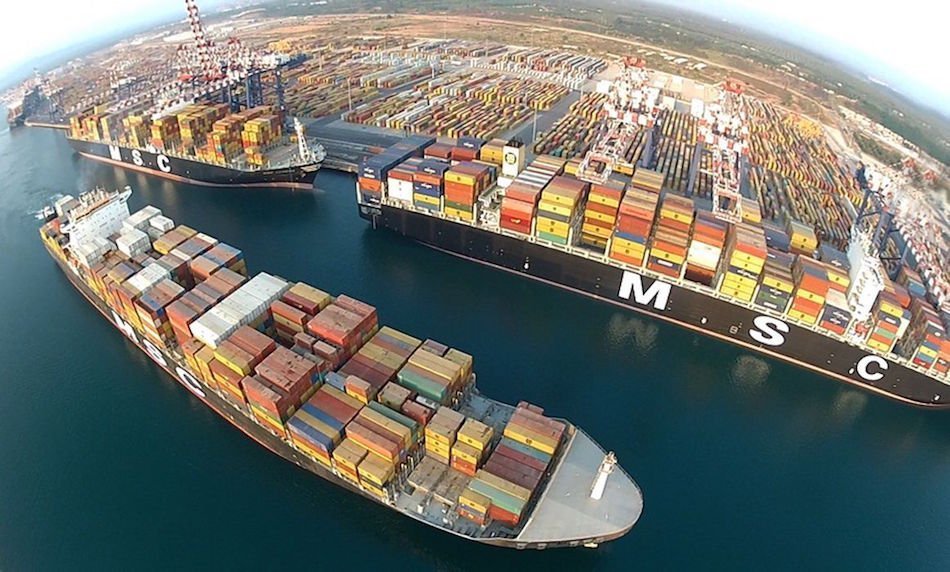
Shipping remains the indispensable engine of global trade, carrying around ninety per cent of world commerce. It operates quietly but definitively, connecting economies and sustaining growth across every region. Nowhere is this more evident than in Greece. The Greek fleet continues to stand as a pillar of global maritime strength, its scale and professionalism reflecting a tradition of excellence that has shaped international shipping for generations.
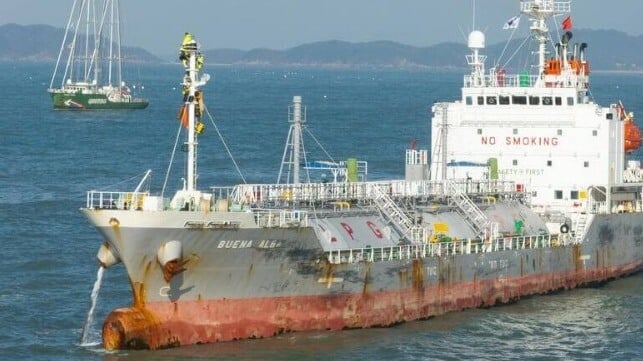
However, the operating environment for shipping has become increasingly volatile. Conflicts and geopolitical tensions have disrupted key trade routes and heightened risks for vessels and crews alike. Recent instability in strategic maritime corridors has forced rerouting, increased costs and extended voyage times, placing additional strain on global supply chains. In this context, the need to uphold freedom of navigation in accordance with international law is paramount. The ability of ships to transit safely and without interference is a cornerstone of global trade. Reducing disruption to maritime transport must be a shared priority for governments and international institutions alike, not only to protect economic stability but also to safeguard the lives of seafarers.
Any attack on merchant vessels or their crews is unacceptable. Seafarers are civilians performing essential work, and their safety must never be compromised. Ensuring secure passage through international waters requires cooperation, restraint and a renewed commitment to the principles that have long governed maritime activity.
Despite these challenges, the industry continues to demonstrate resilience. Ships continue to sail, goods continue to move, and supply chains continue to function. This resilience is not accidental. It is the result of decades of investment, innovation and adherence to a global regulatory framework that has enabled shipping to operate efficiently across borders. We must protect this framework from eroding.
Yet resilience alone is not enough to define the future. The most profound transformation facing our industry is the transition to net zero emissions. Shipping has committed to achieving net zero greenhouse gas emissions by or close to 2050, in line with the strategy adopted by the International Maritime Organization. This is an ambitious but necessary objective, requiring a fundamental shift in how ships are powered and how energy is produced and distributed worldwide.
Importantly, the industry is already moving. In many respects, shipping is outpacing regulation, with shipowners investing in energy efficient technologies, exploring alternative fuels, and pursuing innovative solutions to reduce emissions. This proactive approach reflects a clear recognition that the energy transition is inevitable.
However, industry ambition cannot succeed in isolation. Governments must now provide the clarity and coordination required to turn ambition into reality. At present, uncertainty remains a significant obstacle. Zero and near-zero emission fuels are not yet available at scale, and their cost remains considerably higher than traditional marine fuels. Shipowners making long term investment decisions need clear signals to guide those choices.
What is required is a coherent and coordinated global pathway. Fragmentation, whether through regional regulation or unilateral measures, risks undermining progress. Shipping is, by definition, international. A patchwork of differing regulatory regimes would increase complexity, distort competition and ultimately raise costs for consumers. Global frameworks are therefore essential. The International Maritime Organization must remain at the centre of efforts to deliver a consistent, transparent and effective regulatory environment.
Infrastructure development will be central to this transition. Ports must evolve into energy hubs capable of supplying alternative fuels. Shipping has historically been responsible for transporting much of the world’s energy, and it will play an equally vital role in enabling the movement of low carbon fuels in the decades ahead. Initiatives such as Clean Energy Marine Hubs demonstrate the value of cross sector collaboration, bringing together governments, energy producers, ports and shipowners to accelerate infrastructure development and reduce investment risk.
The welcome participation of the Government of Greece in this initiative further highlights the country’s strategic importance in shaping the future energy landscape of maritime transport.
At the same time, we must confront the growing risks posed by geopolitical fragmentation and the erosion of the internationally recognise rules based order. Protectionist policies, regulatory divergence, and ships operating outside established standards, all threaten to undermine the integrity of global shipping. Such developments weaken safety, reduce transparency and create unfair competition.
It is essential that we reaffirm our commitment to a rules based system that ensures high standards of safety, environmental protection and operational integrity. The principles of freedom of navigation and consistent international regulation have enabled global trade to flourish for decades. They must be preserved and strengthened.
At the heart of this discussion are the seafarers who make global trade possible. These men and women have faced extraordinary challenges in recent years, from pandemic restrictions, to operating in high risk regions. Their resilience and professionalism have ensured that supply chains have continued to function even under the most difficult circumstances, carrying out their essential work often without recognition.
As the industry evolves, so too will the demands placed upon them. The transition to new fuels and technologies will require new skills and ongoing training. It is essential that we invest in their development while ensuring their welfare, safety, and rights are fully protected. Seafarers must not be treated as an afterthought in policy discussions. They are central to the success of our industry.
We must also ensure that they are treated fairly under all circumstances. Unjust detention, inadequate legal protections, and poor working conditions have no place in a modern maritime sector. International labour standards must be fully implemented and respected.
Ultimately, the future of shipping will be shaped by our ability to work together. Governments, industry, energy providers, and international organisations must align their efforts to address the challenges before us. Collaboration is not optional. It is essential.
There is, however, reason for confidence. Shipping has always adapted to change. It has navigated crises, embraced innovation, and continued to deliver for the global economy. The challenges we face today are significant, but they are not insurmountable
With clear global frameworks, a firm commitment to international law, and sustained investment in people and technology, shipping will not only meet its environmental ambitions but will continue to serve as the backbone of global trade.
In this journey, the leadership of the Greek shipping community will remain vital. Its experience, scale and commitment to excellence position it at the forefront of the industry’s evolution. As we look ahead, one thing is certain: global shipping will continue to move the world, and it will do so with resilience, responsibility, and resolve.