
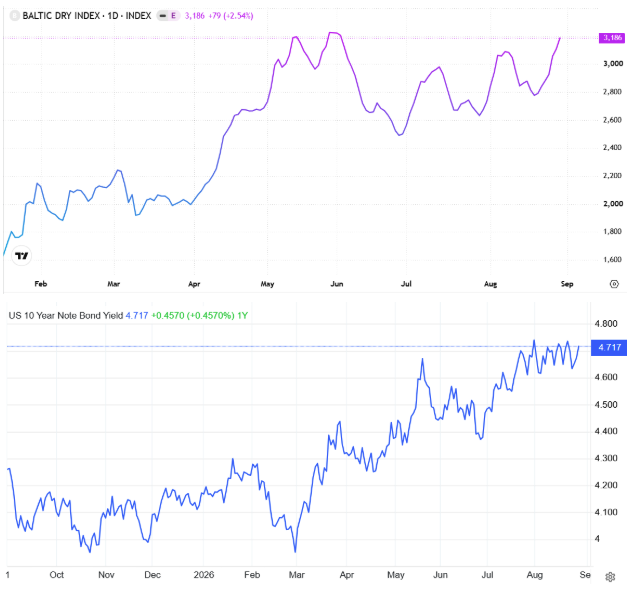
The trajectory toward the close of August 2026 reveals a particularly complex yet insightful backdrop for the global investment community. The conclusion of the Federal Reserve’s annual monetary symposium in Jackson Hole was accompanied by heightened volatility across fixed-income markets and a brief recalibration of expectations surrounding central bank policy. Short-term derivatives markets quickly priced in elevated probabilities of further monetary tightening, driven by the hawkish tone of Kevin Warsh’s address. The rise in the US 10-year Treasury yield toward 4.66% reflects this surface-level institutional nervousness. However, a systematic reading of structural macroeconomic indicators demonstrates that these immediate bond market reactions diverge significantly from the underlying economic trajectory.
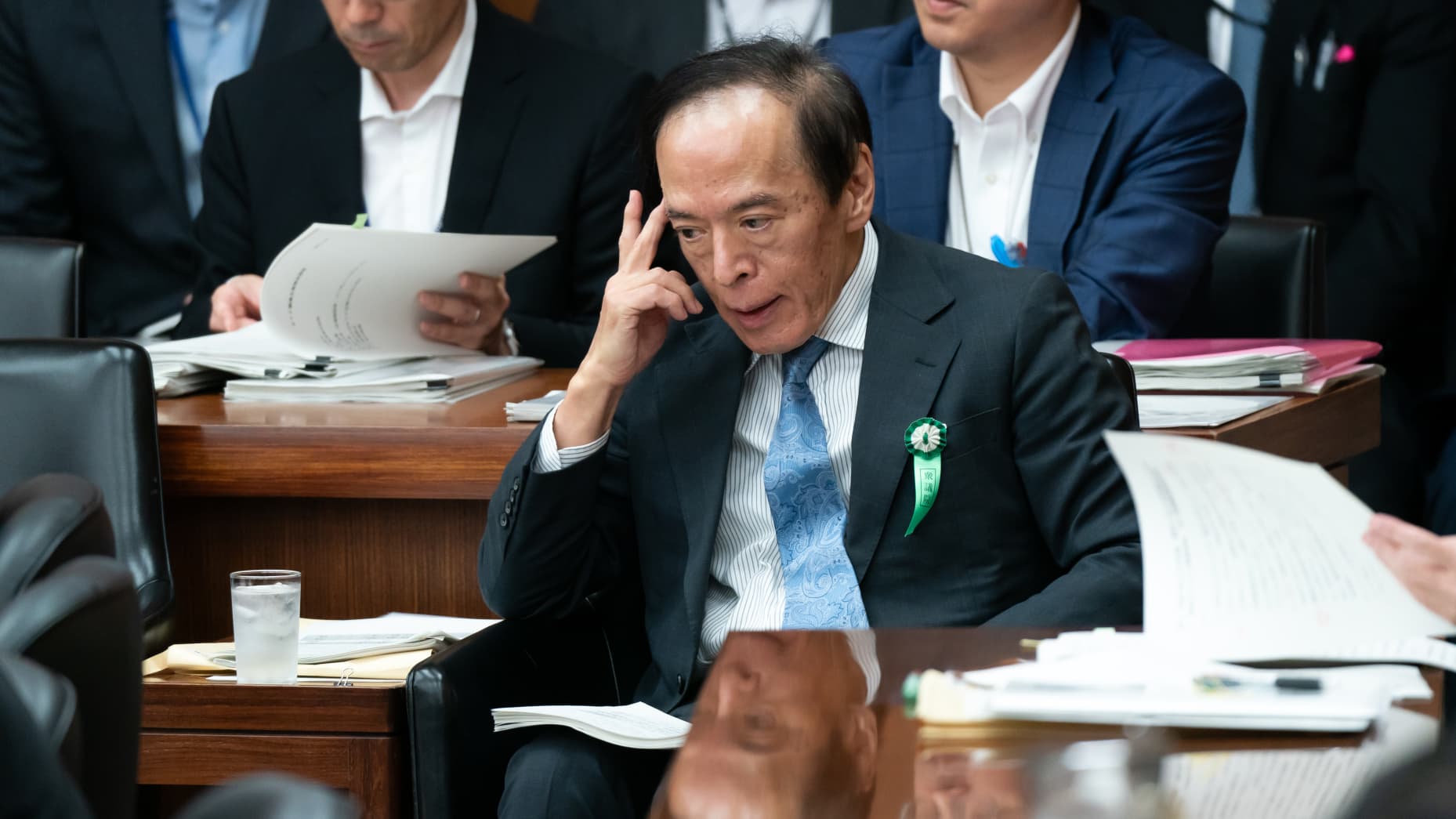
In his maiden Jackson Hole address as Federal Reserve Chairman, Kevin Warsh moved away from traditional forward guidance, presenting a strategy he terms the "Monetary Barbell." This approach seeks to maintain short-term interest rates at restrictive levels while accelerating quantitative tightening to decisively shrink the central bank's balance sheet. Money markets interpreted this posture as a commitment to keeping policy rates higher for longer.
Nevertheless, GEKODESK & PARTNERS maintains an unchanged, consistent, and institutionally grounded position regarding US interest rates. We firmly reject scenarios predicting further rate hikes by the Federal Reserve, maintaining that the aggressive tightening cycle has definitively run its course. The gradual retreat of US consumer price inflation toward 3.5%, stable retail sales figures, and the imperative to relieve borrowing costs for real economy enterprises form a backdrop where additional rate increases would prove counterproductive to structural growth. The real economy dictates that the only viable path forward is the gradual initiation of rate cuts, providing essential momentum to cyclical sectors and broader capital markets.
Simultaneously, market infrastructure is undergoing a historic structural transformation that is reshaping global capital flows. The shift began on July 27, 2026, when CME Group reintroduced Single Stock Futures across 55 leading US equities, encompassing mega-cap technology leaders and prominent value corporations such as Nvidia, Apple, Alphabet, Meta, Amazon, Tesla, and SpaceX. This was followed on August 24, 2026, by the launch of Nano Indices Futures, offering E-nano contracts at one-tenth the size of Micro contracts, and will culminate on December 6, 2026, with Nasdaq’s official transition to 23-hour daily trading (Global Trading Hours).
This methodical rollout fully aligns with our previous analysis regarding the US administration’s push under Donald Trump toward continuous, 24/7 market operations. GEKODESK & PARTNERS view these institutional initiatives as highly constructive. The move to 23-hour trading, alongside Stock Futures and Nano contracts, unlocks unprecedented liquidity, granting immediate access to smaller institutional pools and retail portfolios previously constrained by sizing requirements. At the same time, it provides institutional asset managers with precise, real-time risk management tools, eliminating overnight gap risks and solidifying the global dominance of US financial infrastructure.
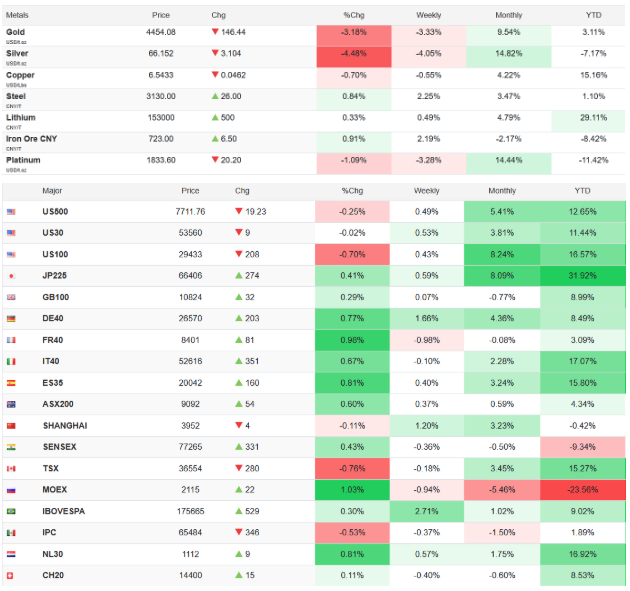
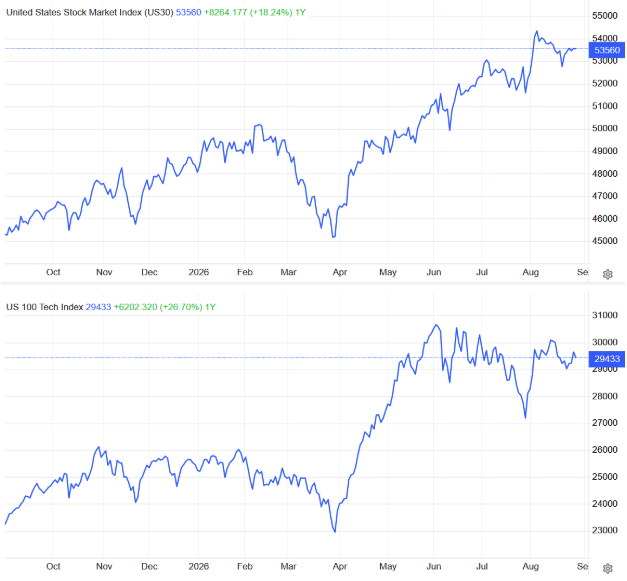
In the real economy, announcements regarding Elon Musk’s massive new Gigafactory expansion reinforce the broader trend of reshoring the US industrial base. Concurrently, the conclusion of second-quarter corporate earnings across the technology sector revealed a clear market divergence. Investors rewarded companies like Nvidia that demonstrate immediate free cash flow generation and tangible returns from Artificial Intelligence investments, while taking a more cautious stance on giants such as Alphabet and Tesla due to elevated capital expenditures. This dynamic continues to drive a healthy capital rotation away from overextended semiconductor valuations toward US industrials, value equities, and infrastructure, keeping total US market capitalization firmly anchored around the historical $65 trillion benchmark.
In global energy markets, recent developments clearly highlight the strategic objectives of the US leadership. The historic agreement between the United States and Venezuela, securing control over more than 65 billion barrels of proven crude reserves through 100-year concessions across 17 strategic fields in the Orinoco and Lake Maracaibo regions, serves a dual political and economic purpose for Donald Trump. On one hand, securing extracted crude at cost enables a rapid and cost-effective replenishment of the US Strategic Petroleum Reserve (SPR), which had fallen below the critical 300-million-barrel threshold. On the other hand, artificially increasing supply aims to push pump prices lower, offering immediate relief to American consumers ahead of the upcoming midterm elections.
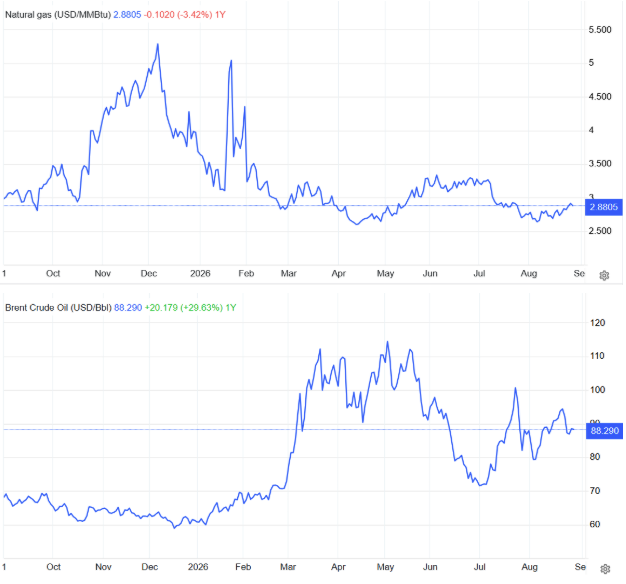
This dual intervention in energy markets directly supports broader US economic health. Lower energy input costs serve as a major catalyst for expanding corporate profit margins, backing equity valuations and sustaining Wall Street's upward momentum. This dynamic translates into tangible gains for the 401(k) retirement accounts of millions of Americans, fostering a positive wealth effect that reinforces consumer confidence. Furthermore, it validates GEKODESK & PARTNERS’ long-term outlook: despite temporary geopolitical tensions in the Middle East, the structural trajectory of crude oil prices remains downward, moving steadily toward $65 per barrel and bringing Natural Gas prices down to levels that offer substantial relief to global industrial operations.
The most decisive validation of our framework is visible in international shipping. While mainstream consensus anticipated a sharp correction in freight rates, GEKODESK & PARTNERS consistently maintained that the market’s return to and sustained strength above 3,000 points was only a matter of time. Market reality has fully confirmed this stance, with the Baltic Dry Index (BDI) mounting an impressive 7-day rally, breaking past psychological resistance to trade at 3,186 points.
This upward momentum is driven by a structural expansion in tonne-miles. Redirecting Venezuelan crude flows toward the United States requires importing light US diluents to transport and refine heavy crude, establishing a two-way maritime route that effectively doubles distances for Suezmax and VLCC tankers. At the same time, sustained global demand for raw materials and strong Capesize activity ensure robust, long-term cash flows for maritime operators. Concurrently, our tactical allocation toward Chinese large-cap equities via the FXI ETF, highlighted across our last three publications when the index lagged at -17%, continues to deliver strong results as the ETF recovers toward the -9% level, confirming the value of our regional positioning in Asia.
To summarize GEKODESK & PARTNERS core macroeconomic positions, we firmly rule out further Federal Reserve rate hikes, anticipating the start of an easing cycle. We view the gradual transition of US markets toward 24/7 operations, via Stock Futures on July 27, Nano Futures on August 24, and Nasdaq’s 23-hour schedule on December 6, as vital structural upgrades that deepen market liquidity and broaden investor participation. In commodities, we maintain our forecast for oil to drift toward $65 per barrel and for gold to adjust toward $3,000 per ounce as inflationary pressures fade, while confirming the strong upward breakout of the Baltic Dry Index above 3,100 points.
In an environment defined by rapid capital recycling, geopolitical shifts, and structural market evolution, passive index tracking is no longer sufficient. Generating superior, risk-adjusted returns require active management, timely geopolitical insight, and dedicated advisory partnership. Investors who relied on Gekodesk & Partners, strategic roadmap successfully navigated summer volatility to capture strong upside momentum. We remain firmly bullish on the US market, expecting this positive cycle to remain intact through the US midterm elections.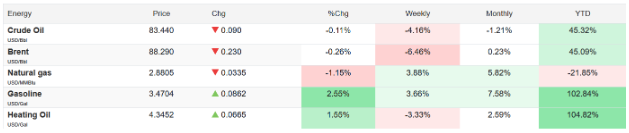
By George Kotsiakis
Private Wealth & Investment Strategist
Founder | GEKODESK & Partners