
As the international maritime community gathers for SMM Hamburg 2026, shipping finds itself at a defining moment. Geopolitical uncertainty, shifting trade patterns and increasing pressure on supply chains are reshaping the operating environment for the industry.
Recent developments, including tensions in the wider Gulf regions and the Strait of Hormuz have once again highlighted the importance of safe and secure maritime routes, freedom of navigation and international cooperation.
At the same time, it is very important to underline that the seafarers remain at the heart of global shipping and protecting their safety and security must remain a top priority for governments, industry as well as the international maritime community.
Alongside these geopolitical and economic developments, the shipping industry is also undergoing one of the most significant transitions in its history, decarbonisation. This transition towards decarbonisation is accelerating thought the implementation of the EU Emissions Trading System (EU ETS) for maritime transport, the introduction of FuelEU Maritime, and ongoing negotiations at the International Maritime Organization (IMO) on global greenhouse gas reduction measures are reshaping the industry operating framework. At the same time, shipping must continue to ensure safe and reliable transport to these new environmental requirements.
Cyprus supports ambitious but realistic measures which safeguard the competitiveness of shipping, while ensuring that the green and digital transition remains practical, technology-neutral and internationally coordinated. Shipping is a global industry and therefore requires global solutions. In this respect, the IMO must continue to serve as the primary forum for international maritime regulations, promoting globally harmonized standards and avoiding fragmentation. This approach provides the certainty needed for shipowners to invest in new technologies, alternative fuels while safeguarding the competitiveness of international shipping.
Furthermore, emerging technologies, including Artificial Intelligence, are beginning to transform the maritime sector by improving operational efficiency, strengthening regulatory compliance and enhancing safety. As these technologies continue to evolve, their successful application must remain secure and aligned with international standards.
Equally important is the human element. The future of shipping will depend not only on fuels, vessels and technology, but also on people. Seafarers, shore-based professionals, engineers, surveyors and maritime professionals remain the driving force behind a safe, resilient and sustainable maritime sector. Investing in education, training, reskilling & upskilling while encouraging more participation of women and young people is essential to ensure that the industry remains attractive and competitive for the years ahead.
These priorities have been also reflected during the Cyprus Presidency of the Council of the European Union. During our Presidency, Cyprus worked hard to place maritime affairs high on the European agenda, by placing greater emphasis on the human element. The adoption of the Lefkosia Declaration marked a key milestone reaffirming the importance of seafarers and maritime professionals, including the promotion of greater participation of women in shipping. Also, it called for strengthened maritime education and training systems, enhanced upskilling and reskilling opportunities, and closer alignment between industry needs and available skills.
The way forward lies in stronger cooperation between governments and industry, closer alignment between shipping and financial markets, and shared investment in innovation, sustainability, and above all, our people.
In this context, our priorities in Cyprus remain clear. We are working to:
- Enhancing resilience and ensuring safe, secure and a reliable maritime transport
- Advancing decarbonisation, in a manner that is ambitious but yet pragmatic and in close cooperation with the industry
- Promoting innovation and digitalization, to strengthen competitiveness
- Investing in people through education, skills development and greater inclusivity.
SMM Hamburg 2026 provides an excellent opportunity to exchange ideas, strengthen partnerships and shape the future of global shipping. It brings together industry leaders, administrations, innovators and young professionals at a time when mutual work is more important than ever. The challenges before us cannot be addressed in isolation. Green fuels require infrastructure. Digital systems require trust, compatibility and secure exchange of information. New regulations require practical implementation. A stronger maritime workforce requires education, diversity and long-term investment.
In conclusion, one message stands out clearly: the transformation of the maritime sector cannot be driven by any single country or company. Its success will depend on strong partnerships and international cooperation. Cyprus remains strongly committed to playing its part as a trusted maritime partner, actively contributing to the development of a resilient, sustainable, and globally competitive shipping industry.
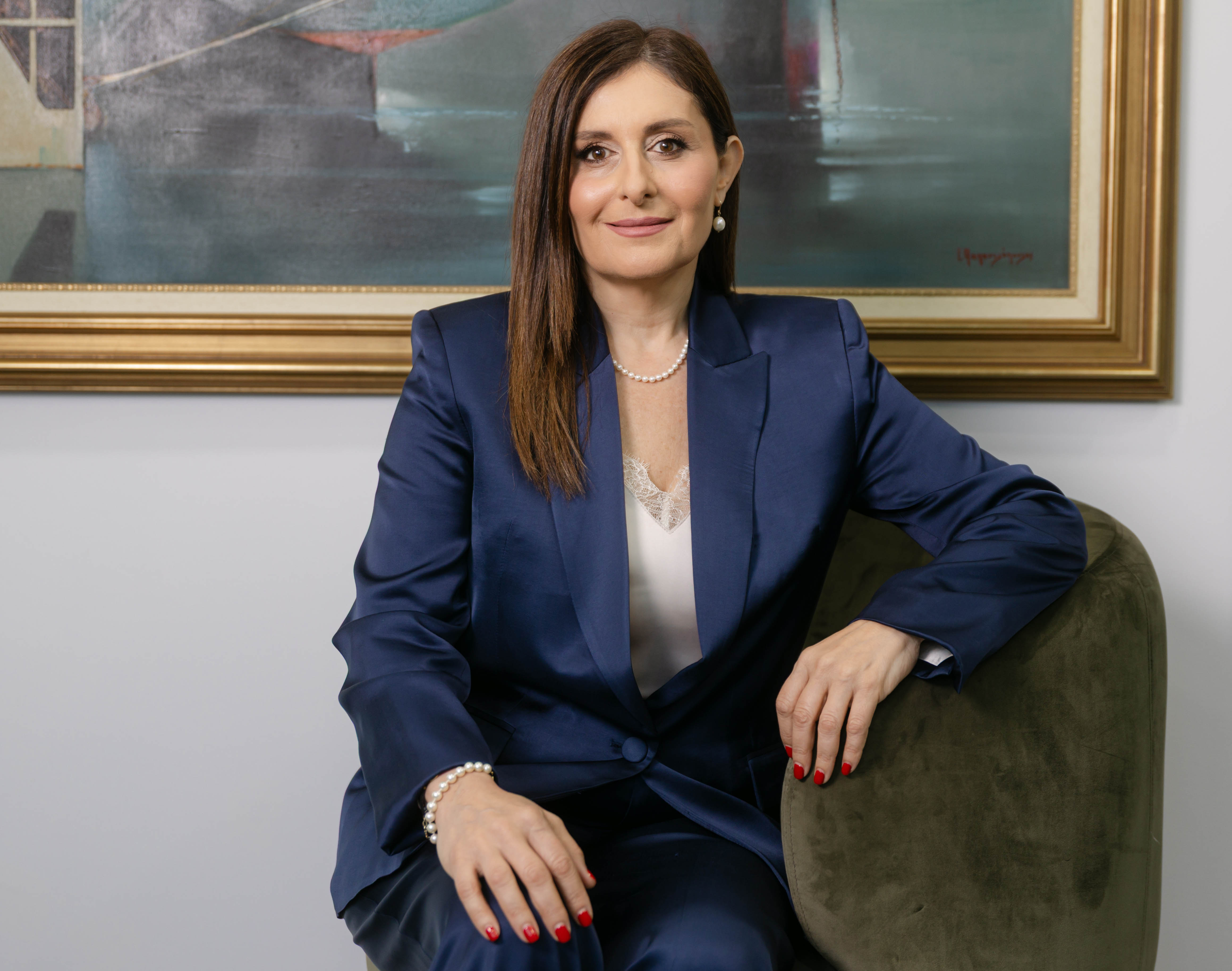
By Marina Hadjimanolis,
Shipping Deputy Minister of the Republic of Cyprus