


For centuries, Europe’s prosperity has been built around the sea. Its vast coastline, interconnected waterways and extensive network of islands have made maritime transport indispensable to trade, connectivity and economic growth. Today, more than ever, the continent’s ability to remain competitive, resilient and strategically autonomous depends on making the most of this natural maritime advantage.
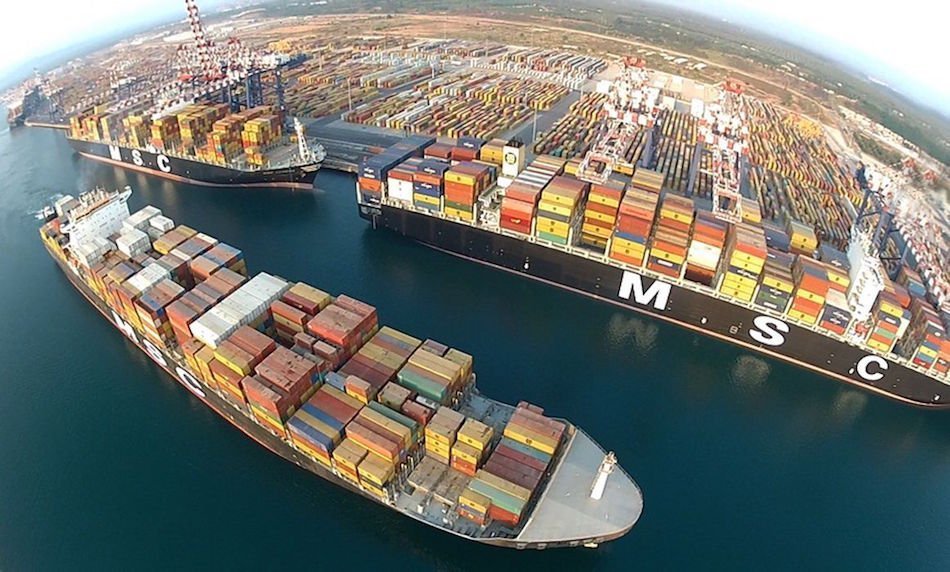
Shortsea shipping occupies a unique position within Europe’s transport system. It links regions, supports island communities, facilitates cross-border trade and provides an efficient alternative to increasingly congested road networks. Beyond moving cargo and passengers, it strengthens supply chains, enhances energy security and contributes significantly to the resilience of the European economy.
The importance of this sector is now reflected in European policymaking. Recent strategic initiatives—from the recommendations of the Draghi Report to the European Commission’s latest industrial and maritime policy frameworks—recognise that waterborne transport is indispensable to achieving the European Union’s objectives for decarbonisation, modal shift and sustainable economic development.
The Commission’s renewed focus on shipping, ports and shipbuilding marks a welcome shift towards a more integrated maritime policy. By placing these sectors at the heart of Europe’s industrial strategy, the new initiatives acknowledge that a competitive maritime industry is essential not only for economic growth but also for Europe’s environmental ambitions and geopolitical resilience.
The Hellenic Shortsea Shipowners Association (HSSA) and the European Shortsea Network (ESN), currently under the Greek Presidency, strongly support this strategic direction. Equally encouraging was the collaborative approach adopted during the consultation process, which enabled industry representatives to engage directly with European institutions and contribute practical recommendations based on operational experience. This constructive dialogue is an important foundation for future policymaking.
Nevertheless, several critical issues continue to threaten the sector’s ability to deliver on Europe’s ambitions. One of the most pressing concerns is the growing disconnect between regional European legislation and the international regulatory framework established by the International Maritime Organization (IMO). Diverging regulatory requirements create uncertainty, increase compliance costs and risk placing European operators at a disadvantage in an industry that has always depended on globally harmonised rules.
Equally important is the lack of dedicated financial mechanisms to facilitate the sector’s transition towards low- and zero-emission operations. Environmental targets cannot be achieved through regulation alone. Ambitious policies must be matched by equally ambitious investment if shipowners are expected to modernise their fleets while remaining commercially competitive.
This challenge is particularly acute for shortsea shipping, where a significant proportion of the fleet requires either extensive retrofitting or replacement to comply with new environmental standards. At the same time, operators are expected to adapt to the combined impact of the Fit for 55 package, the EU Emissions Trading System (ETS) and FuelEU Maritime, despite the limited availability and high cost of alternative marine fuels.
To gain a clearer understanding of how the new regulatory framework will affect the sector, the Hellenic Shortsea Shipowners Association (HSSA) commissioned an independent study by the Foundation for Economic and Industrial Research (IOBE). The objective was to quantify the economic impact of the EU’s environmental legislation on Greece’s shortsea shipping industry and assess its broader implications. The findings point to a significant financial challenge. By the end of the decade, the cumulative cost of complying with the new regulatory requirements is projected to reach €225 million, with the expansion of the EU Emissions Trading System (ETS) representing the most substantial cost driver. The study also forecasts a decline in transport demand that could reduce industry revenues by approximately €140 million and lead to a contraction in freight volumes of up to 17%. Beyond their direct impact on shipping operators, these pressures are expected to ripple across the wider economy, affecting employment, economic growth and the efficiency of Greece’s logistics and supply chain ecosystem.
The economic projections should not be misconstrued as an argument against Europe’s climate ambitions. Shortsea shipping remains firmly committed to supporting the transition to a low-carbon maritime sector and recognises that sustainability must be at the heart of the industry’s future. Investing in modern vessels, embracing new technologies and improving environmental performance are objectives that the sector not only acknowledges but actively pursues.
However, the success of this transition depends on creating the right conditions. European institutions, Member States and the maritime sector must work together to develop practical implementation pathways, provide targeted support for small and medium-sized shipping companies and accelerate investment in port infrastructure, energy networks and alternative fuel production.
Europe has already defined the direction of travel. Competitiveness, sustainability and resilience are rightly at the centre of its maritime vision. The next step is ensuring that these ambitions are backed by coherent legislation, realistic implementation schedules and sufficient financial support.
Only by combining policy with investment can Europe unlock the full potential of shortsea shipping, strengthen its strategic autonomy and build a maritime transport system capable of supporting economic growth and environmental progress for decades to come.
By Charalampos Simantonis,
President, European Shortsea Network (ESN)
President, Hellenic Shortsea Shipowners Association (HSSA)