




The day after the US elections, the anticipated decline in oil prices, and the puzzle of international developments that could shape new investment opportunities.
We are now just one day away from the US midterm elections on November 3, at a time when financial markets are being called upon to assess significant political, economic, and geopolitical developments. As we have pointed out in our previous articles, we continue to believe that the recent correction does not necessarily signal the beginning of a new downward cycle but may instead be part of a broader process of investment capital reallocation ahead of the next upward move.
October's market performance is particularly interesting and reinforces our assessment that investment capital is being reallocated within the US stock market. Based on the closing levels we are examining, the Nasdaq 100 recorded losses of approximately 6.7% and the S&P 500 declined by 0.9%, while the Dow Jones gained 1.7% and the Russell 2000 rose by 0.5%. We do not believe this divergence is coincidental, as it suggests that selling pressure has been concentrated primarily on the large technology companies, while significant parts of the broader market have demonstrated resilience. This is a picture that points more towards a reallocation of capital than a widespread withdrawal of investors from US equities.
The information that has emerged regarding hedge fund activity is also of particular interest, with substantial sales of technology stocks and a reduction in leverage. According to reports citing data from Goldman Sachs Prime Brokerage, hedge funds sold approximately $20 billion worth of technology stocks over a two-week period. Reports of margin calls at individual investment funds strengthen the possibility that part of the recent correction is related to technical and financing factors rather than solely to corporate earnings performance. Although a widespread liquidity crisis has not been confirmed, we believe this distinction is important when assessing genuine investment opportunities.
At the same time, the largest technology companies continue to maintain exceptionally high investment commitments towards the development of artificial intelligence and its supporting infrastructure. According to relevant estimates, the combined multiyear contractual commitments of major technology groups such as Alphabet, Amazon, Microsoft, Meta, and Oracle exceed $3 trillion, highlighting the scale of their long-term planning despite short-term stock market pressures.
And this is where another important factor comes into play. These investments do not concern technology companies alone, but also generate increased demand for energy, electricity grids, industrial equipment, construction, and raw materials. In our view, their impact on the real economy could prove far broader than the performance of the shares of the companies currently leading the artificial intelligence sector.
On the monetary policy front, the Federal Reserve kept interest rates within the 3.75%–4% range, with the resilience of the US economy and inflationary pressures continuing to influence expectations regarding its next decisions. Also of particular interest is the plan under Kevin Warsh to introduce changes to the Fed's operating framework from 2027, with certain meetings dedicated to long-term strategy and no interest rate decisions being taken. Longer intervals between rate-setting meetings could allow more time to assess economic data and change the way markets anticipate the US central bank's next moves.
We also attach particular importance to the announced early departure of Christine Lagarde from the European Central Bank on February 7, 2027, especially ahead of the French presidential elections later that year. In our assessment, this development reinforces the concerns we have repeatedly expressed regarding the outlook for the European economy. Our negative stance towards the Eurozone is not limited to the anticipated weakening of the euro but is primarily linked to the economic and energy policies being pursued, the loss of competitiveness, and the structural weaknesses that continue to accumulate. We believe the consequences of these choices have not yet been fully reflected in the European economy or in stock market valuations. And we fear that Europe's greatest challenges may not be behind us but could still lie ahead.
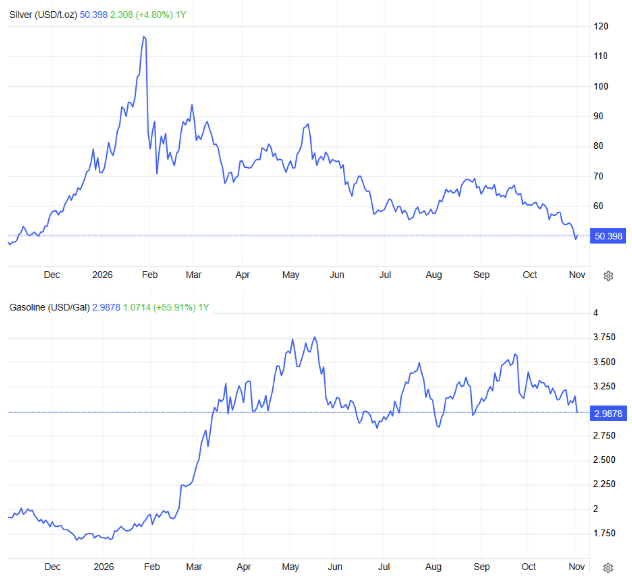
Nevertheless, we continue to believe that one of the most significant potential catalysts for the period ahead lies in the energy markets. We attach particular importance to the diplomatic efforts currently underway concerning Iran, with reports of talks over the weekend between Tehran and Qatar raising expectations of a possible easing of tensions in the region. It is worth recalling that the two countries share the world's largest single natural gas field, North Field–South Pars, which they develop from their respective sides, while the security of the Strait of Hormuz remains a decisive factor for international energy flows. In our assessment, a potential diplomatic agreement, particularly following the conclusion of the US elections, could become the catalyst for the beginning of the anticipated decline in oil prices, with an initial target of below $80 per barrel, while also strengthening the conditions for a continuation of the upward trend in stock markets.
If these conditions lead to a substantial decline in oil prices, we could then see a significant easing of headline inflation, greater scope for interest rate cuts, and stronger economic activity. If confirmed, this combination could prove to be a particularly positive catalyst for international stock markets, while also validating the assessment we have presented in our previous articles regarding the importance of easing energy prices.
In shipping, the Baltic Dry Index ended the previous week at 2,714 points, maintaining the positive picture we have been monitoring. Our assessment of the sector's long-term prospects remains unchanged, as shifts in global trade, changes in maritime routes, and demand for shipping capacity continue to create the conditions for a new multi-year upward cycle. At the same time, we continue to monitor the Dow Jones Transportation Average with particular interest, as we believe its performance, together with the Baltic Dry Index, can provide important indications of the real economy's momentum and the next phase of the markets.
And so, we arrive at the US Midterms. The particularly high level of early voter participation highlights the importance of this electoral contest, although it does not allow reliable conclusions to be drawn about the outcome. For stock markets, we believe that the economic expectations taking shape for the following day will matter more than the election result itself.
Our assessment remains that the broader economic and investment environment creates the conditions for markets to respond positively to the conclusion of the electoral process. Even if Donald Trump's Republicans lose their majority in one of the two chambers of Congress, the removal of a significant source of political uncertainty could allow investors to refocus on economic fundamentals, corporate earnings, and the major investment developments already underway.
After all, as we have repeatedly pointed out, the final two months of the year have historically been a particularly interesting period for US stock markets, while the conclusion of midterm elections has frequently been accompanied by positive market performance. This historical observation does not guarantee the outcome, but it is another factor we incorporate into our overall investment assessment.
Despite the risks and short-term fluctuations, we remain firmly positive about the prospects for US stock markets to rise during the final two months of the year, placing particular emphasis on the performance of the Dow Jones Transportation Average and the Baltic Dry Index, which we have long monitored as important indicators of real economic activity and international trade flows. At the same time, we continue to believe that the conclusion of the US midterm elections could mark the beginning of the anticipated decline in oil prices. If this scenario is confirmed, its impact on inflation, expectations for interest rate cuts, and economic activity could create a particularly favorable environment for the next upward move in the markets, validating the strategic assessment we have made in our previous articles.
Remaining faithful to the principles, philosophy, and tradition we have built over all these years at GEKODESK & PARTNERS, we will once again be at our desks on the night of the US elections, monitoring the results as they unfold and the reactions of international financial markets in real time. Our company's phone lines will remain open throughout election night, as our objective is not simply to follow developments, but to be ready to take advantage, wherever conditions allow, of the investment opportunities that may arise from increased market volatility, always guided by our strategy and the interests of our clients.
We are convinced that the developments following the US elections will be particularly significant, not only for the direction of stock markets, but also for the formation of new economic and geopolitical balances. And perhaps, for those who can connect individual events, recognize their deeper significance, and see the full picture of developments before the puzzle is complete, the period ahead may prove to offer one of the most important investment opportunities of recent years.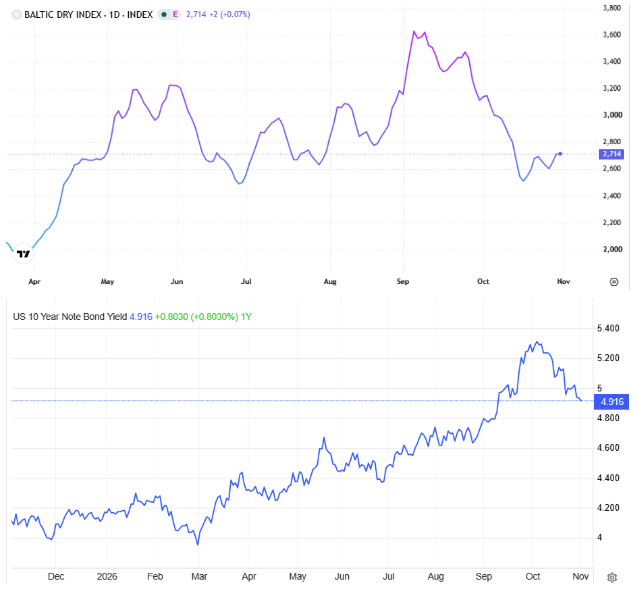
By George D. Kotsiakis
Founder - Private Wealth & Investment Strategist
GEKODESK & PARTNERS - Global Investment Services